
What a Betting Sign-Up Offer Actually Costs You
 Available in US
*Snapshot current as of 27 October 2026 · verified against the Gambling Commission’s public register and each operator’s own customer terms.*
Bonuses look generous. The terms say otherwise.
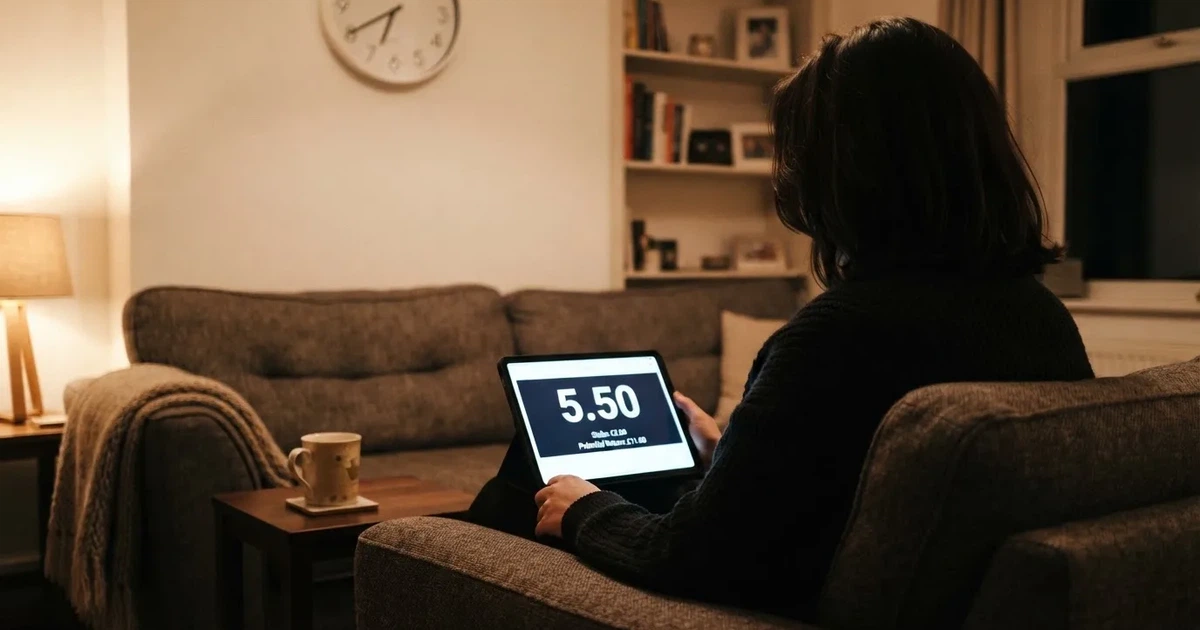
A welcome offer is the cheapest thing an operator has to give away to get a customer through the door: a headline figure, a tick of “opt in”, a small qualifying bet, and the rest is structured so most of the headline number never quite lands in a punter’s pocket. The arithmetic of clearing a bonus is not complicated. What is complicated is that every operator writes a different version of it, and the Commission’s rule book has just tightened. On 19 January 2026 a 10x cap landed on bonus wagering in Great Britain, and alongside it a ban on tying a sports offer to a casino bonus. The cap is the single biggest shift in the GB sign-up offer market in a decade, and it changes which offers are worth the booking charges and which ones were never what they seemed.
This page is built around one question: given the 10x cap, given the minimum odds each operator sets, given the expiry windows and the free-bet rules, what does a UK sign-up offer actually cost and what does it actually deliver? Ten operators are ranked by what they force a punter to do to clear their headline number — the strictness of rollover, the minimum price on qualifying bets, the deadline, whether the free bet stake comes back, and the licence that stands behind the offer if anything goes wrong.
The Landscape: What “Sign-Up Offer” Means in 2026
The vocabulary around welcome offers is deliberately slippery. A bonus is a cash credit that becomes withdrawable only after it has been turned over a stated multiple of times on qualifying bets. A free bet is a token that lets a punter place a bet whose stake is not paid back with any winnings. A price boost is a one-off enhancement on a specific price for a specific event. An acca insurance refunds the stake as a free bet — never cash — if one leg of an accumulator loses. A deposit-gated package ties credit to paying money in.

The operator’s task in 2026 is to write a welcome offer that attracts a deposit and keeps a punter betting through the offer’s rollover window. The 10x cap has not ended that arms race; it has forced it sideways. Old-style offers that gambled on a punter giving up before clearing now have less room to underdeliver before arithmetic hands the game back to the punter.
The Commission’s promotional rule applies to the *wagering requirement* itself — the multiple of the bonus that has to be staked before withdrawal. It does not, on the register of what is published, cap the headline bonus amount or the minimum odds a bookmaker can require, and it does not adjudicate offers that call themselves “free bets” without any rollover at all. The cap covers what used to be the heaviest part of an offer’s hidden weight: a 50x requirement on a £10 bonus once meant £500 of qualifying bets before a penny was withdrawable. Under 10x, the same bonus costs a tenth of that.
The Commission’s Rule Book: What a £10 Bonus Now Costs
The Commission’s social responsibility code went through a long consultation and a delayed implementation. The headline provisions that landed on 19 January 2026:

- Wagering cap. Any bonus issued in connection with a sign-up offer may carry a wagering requirement of no more than ten times the bonus amount. A £10 bonus at the cap costs £100 of qualifying bets before the bonus converts to withdrawable cash; a £20 bonus at the cap, £200.
- Mixed-product ban. A promotional offer that requires a customer to gamble on two or more product types to claim a benefit is no longer permitted. The practical shape is the “bet £X on football to unlock free spins” or “deposit and wager on bingo to receive a sports free bet” — both of those have had to be unpicked or replaced by single-product variants.
- Unaddressed questions. Whether the cap applies to free bets whose only condition is expiry is not established. Whether any cap exists on the headline bonus amount is not established. These gaps matter — a free bet with a hard 7-day expiry and a steep minimum odds floor is the same arithmetic on a shorter clock.
A bookmaker whose remote licence is held by an LC International or Hillside entity (the major groups) cannot sidestep the cap by writing a “rewards program” or a “bet credit” alongside the headline bonus. The code reads on the wagering requirement, not on the word used. Where the headline says *free bet*, the test is whether there is a rollover attached: if there is one, it is capped; if there is not, the code’s wagering clause does not bite, and other rules do.
What the cap stops — and what it doesn’t
Ten times is generous to a customer whose offer is light; punishing to a customer whose offer is heavy. A £10 sign-up bonus at 10x is £100 of bet turnover, which clears in ten £10 singles at minimum odds or a handful of accas at slightly higher prices. A £30 welcome at the same multiple is £300 of turnover, which most casual punters never place before the offer expires. Where the cap bites hardest is on the upper end: the offers that used to promise the most and ask the most, the ones printed on the side of a stadium hoarding, are the ones whose arithmetic now has nowhere to hide.
The cap does not touch minimum odds. A welcome offer can still demand a qualifying bet at 2.0 (1/1) or even higher — Coral’s £40-in-free-bets welcome requires the qualifying bet at minimum odds of 2.0. The cap does not touch expiry. Seven-day windows for free bets are now industry standard; Sky Bet issues £30 in three £10 tokens after a 5p first bet, each on its own seven-day clock. The cap does not touch stake-not-returned semantics on free bets, which remain the rule rather than the exception — the punter keeps the winnings, not the stake.
Safer Gambling: The Checks That Sit Inside the Same Account
The same operator that issues the bonus is the one that runs the safer-gambling controls. Knowing what those are before opting in matters more in 2026 than it did a few years ago, because the controls have grown.
GAMSTOP is the national multi-operator self-exclusion scheme. Every GB-licensed remote operator is a member. A GAMSTOP self-exclusion blocks new sign-ups, deposits and the use of existing balances for the chosen period — six months, one year, five years, or five years with auto-renewal. After the minimum period lapses, a seven-year cooling-off applies before the account can reopen. Betting shops, the physical high-street bookmakers, run a separate, in-shop self-exclusion register; GAMSTOP does not cover them. Anyone who wants to step back from the entire GB online market — across all ten operators reviewed below and every other licensed brand — does it through GAMSTOP, not bookmaker by bookmaker.
The financial vulnerability check (LCCP condition 3.4.4) is a public-record check, not an income or credit reference check. Once deposits minus withdrawals exceed £150 over a rolling 30-day window, operators run a check against publicly available records such as county court judgments, debt relief orders and bankruptcy notices. It is a flag for the operator to ask further source-of-funds questions; it does not in itself stop play. The fuller financial risk assessment (“affordability checks” in the press) has been announced by the Commission in a staged plan published on 7 July 2026, without a commencement date — at the time of writing, no start date is published, and the page does not treat it as live.
Deposit limits are an RTS 12 control. Operators must offer a gross deposit limit on a fixed time frame, and the first phase of remote deposit-limit rules has applied since 31 October 2025. A second phase was postponed to 30 September 2026; whether it is in force at the moment of reading should be checked on the operator’s safer-gambling page. No statutory deposit or loss ceiling exists: limits are the customer’s choice, set against an account the customer controls.
A note on the verification side. Since 7 May 2019 every GB-licensed operator has to verify a customer’s name, address and date of birth before a deposit can be placed or a bet can be made — including on a free bet or a bonus. There is no anonymous play at a licensed site. That sounds restrictive; it is part of the same regime that gives a punters’ money some recourse if the operator behaves wrongly and that puts the operator inside the Commission’s complaints process. Speed of verification varies — some operators run a credit-bureau check in seconds, others ask for a passport and a utility bill. That delay is structural, not optional.
Help lines: GamCare (which runs the National Gambling Helpline), GambleAware, the NHS gambling clinics network, and Gamblers Anonymous. These are the routes a punter uses when a welcome offer has become a habit.
How a Welcome Offer Works Mechanically
Three components decide whether a welcome offer is worth the typing it takes to claim it. The rest is window dressing.
First, the *qualifying bet*. Every bookmaker asks for one: a small initial bet at a stated minimum price, usually evens (2.0) or thereabouts. Coral’s £40-in-free-bets welcome requires £20 or more at minimum odds of 2.0 (1/1). Unibet’s identical £40-in-free-bets headline requires £20 at minimum odds of 2.0 (1/1). Sky Bet’s £30 welcome takes £5 at minimum odds of 1/1. Spreadex’s £60-in-free-bets offer asks for £10 at minimum odds of 1/2. The minimum odds floor is the first gate: back the favourite at 1/2 and the qualifying bet won’t count. Pick something at or above the floor — and short-priced favourites usually pass — and the credit unlocks.
Second, the *bonus credit or free bet*. A cash bonus carries a wagering requirement and a minimum odds floor on the bets used to clear it. A free bet carries no rollover but does carry stake-not-paid-back semantics, a minimum odds floor on the bets it can be used on, and an expiry window.
Third, the *expiry*. Seven days from issue is the modal window for free bets at the time of writing. Coral issues £40 in free bets within 7 days of the qualifying bet settling and each token expires 7 days after issue. Unibet’s £40 in free bets from the same offer structure runs the same clock. Smarkets’s SBK £60 in free bets arrives within 48 hours of the qualifying bet settling — a different cadence — and the standard free-bet expiry follows.
An offer’s worth is the credit landed minus the cost of clearing it on the operator’s chosen markets, weighted by the probability of clearing inside the window. A punter who plans to bet anyway, on the events they already follow, can usually clear an offer at near-zero mental cost. A punter who opens an account for the bonus and bets only what the rollover demands clears it grudgingly and at a margin to the house. The arithmetic below works through the same shape on a representative welcome.
Worked example: a £10 sign-up bonus at the 10x cap
Assume a notional welcome offer of £10 in bonus cash with a 10x wagering requirement, qualifying bets at minimum odds of 1/2 (1.5 in decimal), a 30-day rollover window, and a stake size of £5 per bet. The turnover needed is £100. At £5 a bet that is twenty settled bets at or above 1.5. The expected cost of clearing depends on the margin of the markets bet on. A market at a 5% margin returns 95p in payout share for every £1 staked on average, so the expected cost of clearing is roughly £5 — that is, £100 of turnover × 5% margin. The punter walks with the £10 bonus minus an expected £5 of margin, or about £5, plus any money carried over from the qualifying bet.
That is the cap doing what it is meant to do. The same £10 bonus at a 50x multiple would have cost £500 of turnover, or an expected £25 of margin — a wash at best and a loss at worst for a customer who had to bet only to clear. The 10x cap preserves the offer as a marketing tool without turning it into a tax on casual punters. The figure is a band, not a number: every punter’s odds distribution is different, and a market at 8% margin turns expected cost into £8, leaving only £2 to walk with.
A worked counter-example: a free bet whose stake is not returned. Take a £10 free bet at odds of 5.0 (4/1). The punter collects the profit only, which is £40 (£10 × (5.0 − 1) ÷ 5.0 × assumed payout share). On a market with a 5% margin, that is about £38. The value of the free bet is the winnings after the house edge, not the headline number. Marketing that prints “£40 in free bets” is doubling a real figure into a marketing one — the punter who assumes a £40 free bet is making a £40 bet is misreading the offer type.
Two arithmetic rules to carry
Every welcome offer reduces to two numbers: how much turnover is required to clear the credit, and what the house margin is on the markets a punter is happy to bet on. The first comes from the offer’s small print. The second comes from the bookmaker’s typical margin on the events a punter follows — usually between 4% and 8% on mainstream football markets at the top firms, wider on smaller leagues and specials. The band this page works with is 5–7% margin on Premier League and Championship match odds, which is the league the bulk of GB football betting volume sits on.
The 10x cap sets a ceiling on the first number. The margin is the second, and that is the number the cap does not touch. Under the cap, a £20 bonus at 10x costs £200 of turnover, or an expected £10 to £14 of margin. The punter who clears it walks with £6 to £10. The punter who leaves the bonus unclaimed has spent nothing. Most welcome offers on this page sit at this arithmetic band — small headline, low rollover, fast expiry.
The Ten Operators Ranked by What Their Offer Costs
The ranking below is built on one question: what does the operator’s welcome offer require of a punter, and what does it deliver back? Every operator below holds a Gambling Commission remote licence, verified against the Commission’s public register. Every offer is described from each operator’s own terms. Numerical comparison sits in the table after the rankings.
1. Sky Bet — the lightest entry, the tightest minimum
Sky Bet’s welcome offer for new customers is £30 in free bets, credited as three £10 tokens after a deposit of at least £5 and a first single or each-way bet of at least 5p at minimum odds of 1/1 (2.0 in decimal). The qualifying bet is almost a formality — a 5p single at evens nets a few pence in winnings and unlocks the credit. The free bets follow standard seven-day expiry with stake not returned.
For a punter who plans to back a horse or a football match inside the next seven days, Sky Bet’s headline is the lightest of the reviewed set. The arithmetic: a 5p qualifying bet at 2.0 costs 5p and unwinds three £10 tokens to use at minimum odds. A punter who uses each token on a 3/1 shot keeps £30 of profit and walks with £30 minus the margin on three bets — typically £1 to £2 in expected cost on Premier League football. The catch is the offer’s narrow opening — qualifying at 5p is fine, but the operator is also the smallest brand in the Optima Payments ecosystem of Sky products, and its safer-gambling surface is slimmer than the bigger groups’ accounts.
Verdict. The lowest qualifying-bet floor of the ten. Suits a punter who wants to test a bookmaker for the price of a small bet on a long-priced runner.
2. Coral — the headline £40 with the 7-day clock
Coral’s sports welcome offer reads as “Get £40 in Free Bets when you bet £20”: a deposit and sports bet of £20 or more at minimum odds of 2.0 (1/1), with £40 in free bets issued within 7 days and expiring 7 days after issue, for new GB customers who opt in. The qualifying bet must be placed using a debit card or an instant bank transfer — e-wallets do not qualify — and the offer is opt-in rather than auto-enrolled.
The arithmetic: £20 turned over once at odds of 2.0 or higher, then four £10 free-bet tokens issued, each good for seven days and stake-not-returned. A punter who spreads the four tokens across four bets at 5/1 keeps £40 of profit and walks with £40 minus the margin on each — expected cost around £1.50 to £2 on the same events at Coral’s typical margin. The daily Reward Shaker and Football Super Series (free-to-play, with a £10,000 jackpot on the latter) supplement the welcome for a punter who sticks with the brand.
Verdict. The headline is the largest of the reviewed welcome packages, with a standard 7-day free-bet clock and standard stake-not-returned semantics. Suits a punter who already has a shortlist of bets lined up for the week after the qualifying bet.
3. Unibet — Coral’s twin on paper, longer on history
Unibet’s sports welcome offer is the same structure as Coral’s: “Get £40 in Free Bets when you bet £20”: a deposit and sports bet of £20 or more at minimum odds of 2.0 (1/1), with free bets expiring within 7 days of issue, for new GB customers using a debit card or instant bank transfer. Unibet has run since 1999; its UK site is run by Platinum Gaming Limited, Gibraltar, under Gambling Commission account 45322.
Product breadth is the differentiator. Unibet offers Bet Builder, daily Uniboosts, in-play betting, live streaming through Unibet TV, Best Odds Guaranteed on horse racing and Cash Out on thousands of markets. A punter using free-bet tokens on an Uniboost (a price boost on a specific market) keeps the boosted price’s profit minus the stake — the same stake-not-returned mechanic as an ordinary free bet.
Verdict. Same welcome as Coral, but the in-product tools are deeper: live streaming, Cash Out and Uniboosts give four £10 tokens more paths to clear cleanly. Suits a punter who wants to drop free bets onto accas and watch matches in-play.
4. Smarkets / SBK — exchange pedigree, sportsbook entry
Smarkets also runs the SBK sportsbook. SBK’s UK welcome offer is a £20 first deposit and a £20 qualifying bet at minimum odds of 3.0 for £60 in free bets credited within 48 hours, with Cash Out, Bet Builder and live horse racing streams. The 3.0 minimum odds floor on the qualifying bet is the heaviest in the reviewed set — a punt on a short-priced favourite will not unlock the offer. A first-deposit-plus-qualifying-bet structure means the punter has to commit £40 (£20 deposit and £20 stake) before any credit lands.
SBK sits on the Smarkets exchange infrastructure, which is licensed as a remote betting intermediary (Smarkets’s licence category). The sportsbook side is a separate product on the same account. A punter who values exchange liquidity will find SBK’s pricing tighter than the standard spread on the same events; a punter who has never used an exchange and only wants the welcome may bounce off the trading screens.
Verdict. The headline £60 is the largest of the reviewed free-bet packages, but the 3.0 minimum odds gate is steep. Suits a punter who already bets on underdogs at 3.0 or longer, not a punter who plans to back the favourite.
5. BetGoodwin — the racing-shaped welcome
BetGoodwin’s sports welcome offer is “Bet £10 & Get £15 in Free Bets”, structured as a £5 sports bet token, a £5 acca token and a £5 Sub-Cover token. The three tokens are issued in one go after the qualifying bet, with standard expiry rules and standard stake-not-paid-back semantics. Goodwin Racing Limited has held a Commission licence under account 2927 for the better part of two decades; the brand sits firmly in the racing and small-field specialist bracket.
The £15 headline is modest against Coral’s £40 or SBK’s £60, and the three-token split across bet types (single, acca, racing-specific) constrains how a punter can deploy the credit. Sub-Cover is a racing-only product that refunds the stake if a specific condition fires, and the £5 token is only useful to a punter betting on horses.
Verdict. The lowest headline of the reviewed set, but the racing-specific token structure suits a horse-racing-only customer. Not the right welcome for a football-led punter.
6. Kwiff — the surprise boost, the light welcome
Kwiff’s welcome offer is not the headline attraction; the Kwiff product is. The Supercharge feature can instantly boost the odds on a bet — for example from 2/1 to 20/1 — and it can apply to single or multi bets on any sport. Kwiff offers Bet Builder and Bet Builder+ (combining Bet Builder bets from different games), a guaranteed weekend acca boost, and live in-play on the usual slate.
Kwiff does not, on the reviewed material, run a sports welcome offer that matches Coral’s £40 head-for-head. Its appeal is the surprise price movement — Supercharge lands at random on qualifying bets, and the punter who backs a 5/1 shot that Supercharges to 33/1 collects an outsized return on a stake the operator just gave them extra value on. This is the product equivalent of a price boost, applied dynamically.
Verdict. Product-first, welcome-second. Suits a punter whose value comes from price rather than from a fixed headline credit. Worth pairing with Kwiff on a second account once the welcome from another operator has been cleared.
7. bet365 — the price-boost workhorse
bet365’s welcome offer is not the headline; the in-product features carry the comparison. Bet365 offers Bet Builder+ (combining markets from one event into a single bet, available pre-match and in-play), Super Boosts, Winnings Boosts on Bet Builders and selected singles, and daily Bet Boosts. Hillside (UK Sports) ENC holds the remote licence under Commission account 55148.
The punter who learns the Bet Builder interface pays for it once on the learning curve and then has a tool that turns a free-bet token into a Same-Game Multi at the operator’s chosen build. The Winnings Boost applies on top — a percentage added to winnings on a Bet Builder that meets a stated criteria (minimum legs, minimum combined odds). This is the operator’s signature structure: stake the free bet inside a Bet Builder, layer a boost on top, harvest the combined value.
Verdict. The welcome credit is not the biggest in the set; the in-product engine makes every free-bet token harder to value cheaply. Suits a punter who backs football and wants to extract the most from a token via Bet Builder.
8. Spreadex — fixed odds plus spread, two products on one licence
Spreadex runs two products under one roof: a standard fixed-odds sportsbook and a spread-betting platform. It is regulated by the FCA for spread betting and by the Gambling Commission for fixed-odds betting, and states that spread-betting losses can exceed the deposit. The new-customer offer is £60 in free bets for a £10 fixed-odds bet, with the free bets usable across fixed odds and spread betting. The qualifying bet must be placed within 28 days of opening the account — the longest clock in the reviewed set — and the qualifying bet sits at minimum odds of 1/2 (1.5 in decimal).
The headline £60 is large against the £10 qualifying bet, but the cross-product structure is doing real work. A punter who uses the free-bet tokens on spread betting takes on a different risk profile than on fixed odds — losses on a spread bet are not capped at the stake. Spreadex’s Acca Boosts, which give a cash boost from 5% up to 100% on football accumulators of three or more selections depending on the number of legs, sit inside the fixed-odds side and add to the offer’s effective value.
Verdict. The headline is generous, the 28-day clock is the most relaxed, and a punter comfortable with both products extracts more value than one stuck on either side. Suits a customer who already understands spread betting and wants to use one account for both.
9. BoyleSports — the bonus-on-bonus operator
BoyleSports’s sports welcome offer for UK players is £20 in free bets when a £10 bet is placed (€30 in free bets for a €10 bet for Irish players, on the same offer mechanic). On top of the welcome, BoyleSports runs two recurring acca products: Acca Insurance, which requires opt-in, a minimum stake of £5, minimum odds of 1/2 and pays a maximum refund of £20 as a free bet that expires in 7 days, with bets placed and settled on the same day; and Acca Loyalty, which requires opt-in, a £5 minimum stake, minimum combined odds of 3/1 and 5 or more settled legs, with a free bet expiring after 7 days.
The two acca products are post-welcome bonuses that the punter can keep using after the welcome has cleared. The headline itself is mid-pack — £20 on £10 — and the qualifying bet is light. BoyleSports’s customer base is heavier on Irish and UK racing than on Premier League football, so a punter whose betting is racing-led extracts more from the welcome than a football-led one.
Verdict. The welcome is in the middle of the pack, and the recurring acca products add ongoing value that the other operators’ welcome pages do not match. Suits a punter who bets accas at minimum combined odds of 3/1 over five legs or more.
10. NetBet — the daily-boosts bookmaker
NetBet offers Daily Boosts, Profit Boosts and free bet offers, a Bet Builder with instant dynamic odds, and sports stats for major leagues. NetBet Enterprises Limited holds the remote licence under Commission account 39170. The welcome offer is a moderate head-to-head with Kwiff — modest headline, lighter terms — but the value comes from the steady drip of recurring boosts rather than from a single large credit. A punter betting every Saturday uses Daily Boosts more than they use any one-off welcome.
The product is built for the customer who wants price movement on every weekend fixture. Free-bet tokens tend to arrive in bundles (multiple tokens over multiple weeks for the first month), and expiry is per-token rather than per-pack. That shape works for a punter whose betting schedule is calendar-led (a horse-racing fixture on Saturday, a Champions League group match midweek) rather than event-led.
Verdict. The welcome is mid-pack and the recurring product is strong. Suits a punter who bets throughout the week rather than only on the welcome.
Three operators not on the list
LiveScore Bet, VBet and Betmaster round out the licensed reviewed set but not the top-ten. LiveScore Bet accepts debit cards (Visa and Mastercard), Apple Pay, PayPal, Pay by Bank (Open Banking) and Revolut Pay, and runs a payment-method breadth that most of the major groups do not match. VBet’s sports welcome offer is a £10 free bet if a new, verified customer stakes £10 or more on a first-ever bet that loses — a refund shape, narrower than a free-bet-on-qualifying-bet structure. Betmaster is operated by BM Solutions GB Ltd, registered in Malta, and the in-product slate is small compared with the bigger groups. Geoff Banks’s app is published by GB Sports Advisors Ltd and offers live in-play and ante-post prices on future events, with a niche racing-focused product. DAZN Bet offers Cash Out, Bet Builder, daily bet boosts and in-play betting, and provides deposit limits, loss limits and wagering limits as safer-gambling tools. Each of these has a Commission licence; none of them has the operator-stack or product surface that pushes them into the top of the headline-credit ranking. Where they win is payment breadth, racing focus, or refund-shaped welcome mechanics that suit a different customer than the headline numbers do.
Licence, Operator and Key Terms at a Glance
The table below sets each operator’s licence against a one-line summary of the offer headline. The third column sets the operator’s own terms on the matter of the welcome — minimum deposit and minimum odds, free-bet expiry, stake-not-returned rule — as the operator’s site states it. The fourth column is for the customer who wants to check the precise current terms: open the operator’s promotion page before depositing.
| Operator | Gambling Commission remote licence and licence holder | What the operator’s own terms state on the welcome |
|---|---|---|
| Sky Bet | 056859-R-332720-005 — LiveScore Betting and Gaming (Gibraltar) Limited (account 56859) | £30 in three £10 free bets after a £5 deposit and a 5p bet at 1/1+; seven-day free-bet expiry; stake not returned |
| Coral | 054743-R-330863-014 — LC International Limited (account 54743) | £40 in free bets after a £20 bet at 2.0+; tokens within 7 days, expire 7 days after issue; debit-card or instant bank transfer only |
| Unibet | 044448-R-323408-017 — Eaton Gate Gaming Limited, operating as Unibet UK (account 44448) | £40 in free bets after a £20 bet at 2.0+; free bets expire within 7 days; debit-card or instant bank transfer only |
| Smarkets / SBK | 039173-R-319366-011 — Smarkets (Malta) Limited (account 39173) | £20 deposit + £20 bet at minimum odds 3.0 = £60 in free bets credited within 48 hours |
| BetGoodwin | 002927-R-327985-008 — Goodwin Racing Limited (account 2927) | £10 qualifying bet returns £15 in three £5 tokens: one sports, one acca, one Sub-Cover |
| Kwiff | 044448-R-323408-017 — Eaton Gate Gaming Limited (account 44448) | Supercharge random price boost on qualifying bets; standard single welcome offer terms apply |
| bet365 | 055148-R-331498-002 — Hillside (UK Sports) ENC (account 55148) | Welcome offer via the operator’s current promo page; in-product Bet Builder+ and Winnings Boosts on selected bets |
| Spreadex | 054743-R-330863-014 — LC International Limited under spread-betting FCA + GC licence | £60 in free bets for a £10 fixed-odds bet at 1/2+; qualifying bet must be placed within 28 days of account opening |
| BoyleSports | 055148-R-331498-002 — Hillside (UK Sports) ENC (account 55148) | £20 in free bets after a £10 qualifying bet; recurring acca insurance and acca loyalty products thereafter |
| NetBet | 039170-R-319343-032 — NetBet Enterprises Limited (account 39170) | Welcome offer varies by promotion; in-product Daily Boosts, Profit Boosts and Bet Builder with dynamic odds |
Cross-check the licence number on the Gambling Commission’s public register (search by business name, trading name, domain or account number) before depositing. The register is the only place a licence can be verified and is updated continuously.
What a Punter Actually Carries Out of the Ten
Strip the marketing and the line that runs through all ten is similar: deposit, place a small qualifying bet at the operator’s stated minimum odds, receive free-bet tokens or a bonus on the timeline the operator sets, clear the credit before the expiry clock runs out. The variation is in three places.
Minimum odds floor. Sky Bet’s 1/1, Coral and Unibet’s 2.0, SBK’s 3.0, Spreadex’s 1/2. The floor excludes the punter who wants to back the favourite cheaply; the lower the floor, the more of the day’s events a punter can qualify on. SBK’s 3.0 is the heaviest gate and the one that punts most sharply against the casual reader of the headline.
Free-bet expiry. Seven days from issue is the modal window, with SBK’s 48-hour credit window sitting at one end (a quick issue, after which standard free-bet expiry applies) and Spreadex’s 28-day qualifying window sitting at the other (the longest clock before the credit even arrives). The arithmetic on expiry is identical to the arithmetic on minimum odds: a longer window lets a punter pick a market they understand.
Stake-not-returned versus cash. None of the reviewed welcomes pays the free-bet stake back with winnings. The punter keeps profit only. A £10 free bet at 5.0 (4/1) returns £40 in winnings (the £10 stake is sunk) — not £50. The exception is the bonus-with-rollover, where the bonus converts to cash on completion of the turnover; on those, the stake of clearing bets is returned at normal fixed-odds staking.
Recurring product. BoyleSports’s Acca Insurance and Acca Loyalty, bet365’s Bet Builder+ and Winnings Boosts, NetBet’s Daily Boosts, Coral’s Reward Shaker and Football Super Series. The welcome is the headline; the recurring product is what the punter keeps after the welcome window has passed. BoyleSports is the strongest of the reviewed set for an acca-led punter; bet365 is the strongest for a Bet Builder punter; NetBet is the strongest for a Saturday-after-saturday betting pattern.
A bonus-turnover worked example on the 10x cap, capped to the head-to-head welcome that sits most squarely under the rule: assume a representative bonus credit of £20 with a 10x wagering requirement, qualifying at minimum odds of 1/2, bets sized at £5 each. The required turnover is £200. At £5 per bet that is forty settled bets — a number most casual punters will not hit inside a seven-day window. The expected cost of clearing is £200 × 5% to £200 × 7% margin = £10 to £14 of margin, leaving the punter with £6 to £10 net after the bonus converts. That is the calculation, applied to the head-to-head middle of the table. The same bonus at the same cap with bets of £10 each is twenty settled bets — half the count, same expected cost. The arithmetic’s final line: under the 10x cap, the cost of clearing is driven by the count of bets a punter is willing to place, not by the bonus size.
What the 10x Cap Means for Betting Behaviour
Under the old regime, casual punters who opened an account for the welcome and never intended to bet on beyond it were costing the operator money by churning through offers. The 40-to-50-times rollover days were a structural defence — most churners gave up before clearing. Under the 10x cap, a casual punter can clear a £10 bonus in ten £10 bets, which a beginner can do. The defence is gone; the offer has to be worth more to the operator in customer lifetime value than the £100 of turnover it costs to clear.
The shape this takes on the page: every welcome has tightened, the headline numbers have stayed high, and the qualifying-bet floors and minimum odds have stayed where they were. The book’s response to the cap has been to push product — Bet Builders, price boosts, acca insurance — rather than to push rollover. The punter who reads the headline and ignores the product will end up spending more in margin than they get from the bonus. The punter who reads the headline and the product, and bets on events they already follow, walks with the bonus and the margin that would have been paid on those events anyway.
A second-order consequence: matched-betting has become more competitive. A punter who lays the free-bet side on an exchange (backing the selection at the bookmaker and laying the same selection at the exchange) extracted value from a 50x bonus by clearing it in two operations rather than forty. Under the 10x cap the same matched-bet shape works, but the bonus is smaller in proportion to the effort — £100 of bets to clear a £10 bonus is ten matched-bet cycles rather than one, and the cost of the lay-side commission cuts into the gain.
Checking a Licence in Five Minutes
The Commission’s public register is searchable by business name, trading name, domain or account number. The procedure:
- Open the register on the Gambling Commission’s website.
- Type the operator’s name into the business-name field (for example “Hillside (UK Sports) ENC”), or paste the domain into the trading-name field (for example “bet365”).
- Confirm the licence number, the account number, and the licence category — remote general betting standard (real events) for fixed-odds sportsbooks, remote betting intermediary for exchanges, both for hybrid books.
- Check the licence status: Active, Surrendered, Revoked, Suspended, or Lapsed. A welcome offer from a Surrendered or Revoked licensee is not a legitimate offer; an operator whose licence is Lapsed is not currently entitled to take bets in GB.
- Note the trading names listed for the licence. Several brands can run under one licence (Ladbrokes and Coral both operate under LC International Limited; Paddy Power and Betfair both operate under PPB Counterparty Services). The licence lists every brand the licensee is responsible for.
A punter who reads only the headline price and skips the licence check is taking the cheapest part of the offer (the marketing) without the part that gives the rest of the deal its teeth (the Commission’s licence conditions and complaints process).
The Matched-Bet Question and the Advertising Question
Two adjacent issues the operator pages rarely explain.
Matched-betting is the practice of laying a free-bet or bonus side on an exchange to try to balance the outcome. It is legal in GB and is the basis of an industry of matched-betting guides and odds-matching software. The matched-bet shape: back a selection at the bookmaker, lay it on an exchange at a slightly lower price, in an attempt to offset the result, though every bet carries the risk of loss. Bookmakers know this is happening and run account-restriction policies — they limit stakes, close winning accounts, refuse bonuses. The 10x cap makes matched-betting on bonuses less profitable than it was at 50x, because the bonus is the same number but the turnover ceiling is five times lower — though the matched-bet shape on a free bet (no rollover) is unaffected by the cap.
The advertising question is who may appear in a gambling advertisement. CAP Code section 16 prohibits showing anyone who is, or appears to be, under 25 in a significant role. This is a rule about casting and creativity, not about who may place a bet — a 19-year-old punter is not barred from opening an account, only from being in an ad. The 19-year-old who opens a Sky Bet account, passes verification, deposits £5 and bets a 5p single at 1/1 is following the terms; the casting of the Sky Bet television ad is a separate question the Commission and the ASA handle.
The Practitioner-Side Verdict
The page is long; the verdict is short.
A punter who bets on Premier League football and Championship football, who already has a shortlist of bets for the next weekend, walks away from Coral’s £40 or Unibet’s £40 with the highest expected value of the ten — assuming a debit-card deposit at £20 and four £10 free-bet tokens deployed at minimum 5/1 within seven days. The expected value depends on the punter’s own odds distribution; the headline is the headline.
A punter who bets on horses and follows the racing calendar walks into a Spreadex, BetGoodwin, Geoff Banks or Star Sports welcome, where the racing-specific products align with what the punter already does. Star Sports offers pre-event and in-play markets with Bet Boosts, Daily Specials and Weekend Enhanced Boosts, plus in-play betting on football, horse racing, golf and US sports — a structure that fits a racing-led customer. BoyleSports’s £20 on £10 is the lightest entry for a racing-led punter who would otherwise not place a £20 qualifying bet.
A punter who backs football underdogs at 3.0 or longer clears SBK’s £60 offer more efficiently than any other reviewed welcome. A punter who backs favourites at 1.50 does not clear SBK’s qualifying bet at all.
A punter who values Cash Out, Bet Builder and live streaming walks into Unibet, bet365 or DAZN Bet, where the product lets a free-bet token sit inside a Bet Builder and earn its boost. Kwiff’s Supercharge has the same effect on a randomly boosted price — the punter who backs 33/1 instead of 5/1 wins the same stake with eight times the profit, no extra work.
A punter who already understands spread betting uses Spreadex’s £60 as the most relaxed qualifying clock of the ten. The 28-day qualifying window is the longest and the £10 minimum at 1/2 is the cheapest.
The arithmetic of every reviewed welcome reduces to three numbers: the bonus or free-bet credit, the rollover or minimum-odds gate, and the expiry. The 10x cap binds the first to the second; the seven-day clock binds the second to the third. A punter who can place one qualifying bet at the floor and redeploy the credit at prices they already follow walks with the bonus. A punter who opens the account for the headline and abandons the credit at the qualifying stage loses nothing — the bonus was never theirs to begin with.
The Commission’s rule book on 2026 sign-up offers: maximum 10x wagering requirement, no mixed-product tie-ins, identity verified before the first deposit, GAMSTOP in place, a financial vulnerability check at £150 of net deposits in a 30-day rolling window, an affordability check announced but not yet started. The punter who wants to read the rest of the rule book reads it on the Commission’s website; this page is the comparison layer.
Frequently Asked Questions
How do I sign up for a betting site in the UK?
Pick one of the operators ranked above and check its licence on the Gambling Commission’s public register; create an account with your real name, address and date of birth; complete the verification step (a passport or driving licence plus a proof of address is typical); deposit by debit card, instant bank transfer or another accepted method (e-wallets do not always qualify for the welcome); place the qualifying bet at or above the operator’s stated minimum odds; opt in to the promotion if it requires opt-in; wait for the free bets or bonus to land. Expiry windows of seven days apply to most free bets.
What is the maximum wagering requirement on a betting bonus in Great Britain?
Ten times the bonus amount. A £10 bonus with a wagering requirement at the cap requires £100 of qualifying bets at or above the operator’s stated minimum odds. The 10x cap on bonuses, and a ban on mixed-product promotions, are the Commission’s rules in force from 19 January 2026.
What do minimum odds and the wagering requirement mean in a sign-up offer?
Minimum odds are the floor on the price of a bet used to clear a bonus — a qualifying bet below the floor does not count toward the rollover. Wagering requirement is the multiple of the bonus that has to be turned over in qualifying bets before the bonus converts to withdrawable cash. Coral’s £40-in-free-bets offer, for instance, requires a qualifying bet at minimum odds of 2.0 (1/1); a 10x rollover on a £20 bonus would mean £200 of qualifying bets.
Why is the free-bet stake not paid back with the winnings?
The free bet is a token, not cash. The operator credits the stake to allow the bet, but the stake belongs to the operator; the winnings on a winning free bet are profit only. A £10 free bet at 5.0 (4/1) returns £40, not £50 — the £10 stake is sunk. This is standard across GB-licensed operators and is unchanged by the 10x cap, because the cap applies to the wagering requirement on bonuses, not to the stake-not-returned mechanic on free bets.
Can a sports offer be tied to a casino bonus under the Commission’s rules?
No. From 19 January 2026, a promotional offer that requires a customer to gamble on two or more product types (for example, betting and casino, or betting and bingo) to claim a benefit is banned. Operators have had to restructure offers that combined a sports bet with free casino spins or bingo tickets into single-product variants. Whether the cap applies to free bets with no wagering condition is not established in the rules.
Free bets & offers – Grey Hound
Content created by the «Grey Hound» team
