
UFC betting odds in 2026: markets, margins and the bookmakers who price them
 Available in US
Mixed martial arts has its own betting personality. Fights are short, finishes cluster, and the favourite is right more often than the market expects — yet prices still carry a margin that eats the unwary. The shape of that margin, the markets that sit on top of it, and the licensed UK bookmakers that quote them are what this page is about.
The data below was checked against the Gambling Commission’s public register on 27 October 2026 and against each operator’s own published terms.
Bonuses, free bets and the offer machinery on UFC events
Every welcome offer in this market dresses itself up in different language. The audit on this page strips that off and asks what each one actually does to a UFC betting account on day one. Two of the featured operators hand back stake money in the form of a free bet rather than a cash bonus, and the difference matters at settlement.
A “Bet £10 & Get £10” structure is a matched free bet. A free bet is not a cash credit — when it wins, the bookmaker pays out the winnings, not the winnings plus the stake that was never yours. A “100% matched free bet” is the same kind of instrument with a different cap. A cash bonus, by contrast, is real money with a turnover multiple attached before it can be withdrawn. Reading which of those you have signed up to is the first job, before any UFC card is on screen.
Across the featured set the recurring terms are a minimum qualifying price, a debit-card or instant-bank-transfer deposit rule, an expiry measured in days, and a cap on the offer’s value. Where a wagering multiple is named it is bounded: the 10x cap on bonuses that took effect on 19 January 2026 is now part of the Licensing Conditions and Codes of Practice, so any bonus still in the market asking for fifty times its value is either structured as a free bet, a price boost or a refund rather than as a bonus, and the operator’s terms should make that plain.
What that cap actually does to a UFC bettor is easier to see than to feel. Take the worst-case shape the rule still permits: a £10 bonus at 10x turnover means £100 of qualifying bets before withdrawal opens. Place those on UFC outright markets at fractional odds of 1/1 (2.00) or higher, settle them in turn, and the £10 bonus is yours to withdraw once the wagering is done. Stack a £100 bonus at the same multiple and the qualifying bets become £1,000. Beyond the rulebook, in practice, the UK welcome offers in this market tend to arrive as free bets whose stake is forfeited on a win, with no rollover at all — which is a different offer, and a different calculation when the bet comes in.
The expiry clock is where offers silently fail. A “7-day free bet” that sits unused through fight week is gone. The cards of two of the operators in the top ten name seven-day expiry windows explicitly; the others do not, and the bettor reading the offer page on a Tuesday for a Saturday main event has more time than the page suggests. A useful discipline is to assume the tighter window until the terms say otherwise.
Two restrictions recur. First, free bets generally cannot be used to “cash out” — meaning settle the bet before the fight ends — and they tend not to count towards the stake of an accumulator in the same way real money does. Second, welcome offers are usually for one person, one address, one payment method, one device. Sharing a sign-up across a household forfeits the offer; the operator’s fraud rules do not blink on that one.
The marketing word to look for on any of these offers is the one in the offer’s headline. “Risk-free” almost always means a free bet refund if the first bet loses, and the refund arrives as a free bet, not cash. “Best odds guaranteed” applies to horse racing and not to UFC. “Enhanced odds” on a UFC main event lifts the price of one leg only and usually caps the stake at £5 or £10 — a small bet at an inflated price is still a small bet, with the inflation doing the work of persuasion. The right way to read an offer is to ask, in this order: is this real money or a free bet, what is the minimum price, when does it expire, and is the UFC card I’m planning to bet on covered by the offer’s exclusions.
Mobile betting apps and the in-fight experience on a handset
UFC is watched in long stretches. A pay-per-view card runs four to five hours from the first prelim to the main event, with the most-watched fights clustered at the end. The mobile experience across the top ten is a different product on a different device — and the differences matter more here than in football.
The mainstream UK sportsbooks route UFC through the same app shell they use for football. That is the cheap path and the one most punters will land on. A few have built a separate tab for combat sports with a moneyline on every fighter, method of victory, total rounds, and a market for the championship distance — usually over or under 2.5 rounds for a five-round main event, and 1.5 for a three-round bout. The layout of those tabs is uneven: one puts the main event first and the undercard underneath, another pushes the live in-play card ahead of the line-up. Neither is wrong; the one to keep is the one that lets you find a price in two taps while the next fight is on.
A bet builder is the other place the apps diverge. A same-fight multi that combines “Islam Makhachev to win”, “over 1.5 rounds” and “fight to go the distance” is the kind of leg a UFC punter wants to build across markets that sit on the same bout. The licensed UK apps that do this well do it as a slip that adds legs in line, with a running price; the ones that do it badly treat each leg as its own single. Where the app does not support a UFC-specific builder, the workaround is to build an accumulator that does the same job — at the cost of a separate price and a separate stake.
A pre-built acca — sometimes labelled “popular accas” in the app — is a one-tap slip the bookmaker has put together. The price looks generous, and the legs have been chosen by an algorithm. Treat it as a price you could have assembled yourself, not as a tip. The margin the bookmaker charges on a pre-built acca is often the same as the margin on its own singles, but the legs are correlated — the same fight dominating the same leg of the card — which is a hidden cost the headline price does not show.
Two operational notes for fight night. The app should support a deposit before a fight, not during, because a real-money deposit at the moment a price is moving is a deposit that lands on the price after the move. And the bettor should test a withdrawal before the main event, because some of the smaller bookmakers in this set run a manual review on the first withdrawal of a weekend, and that review is the wrong place to find out that ID verification was needed at a higher tier.
Live betting and cash out on UFC fights
UFC is the rare sport where in-play has a structural edge for the punter who knows the form. A fight can end in any of its rounds, often with a finish, and the price on the fighter ahead swings with each significant strike and takedown. The bookmaker’s margin on those prices is wider than the pre-fight margin, and the bettor’s job is to know which swings are big enough to be worth the spread.
The first round is the slowest market. Prices tend to be stable until the first exchange of strikes settles a fighter’s timing; the second round is where the in-play market starts to find a price. A finish in round one is brutal for the in-play bettor who joined late: the price that looked attractive becomes a settled losing slip before the bet is confirmed. A finish in round two at the expense of a clear favourite is the moment a bookmaker’s trader re-prices the undercard in real time. The shape of the live market is the same on every app, but the speed of the re-price varies — the best in this set push a new price inside three seconds of a knockdown, the slow ones within ten. The slower bookmakers are not bad bookmakers; they are simply easier to beat in-play by a punter who is already on the bet at the time of the knockdown.
Cash out is the bookmaker’s answer to the in-play punter who has read the form wrong. It lets the punter close a winning bet at a price the bookmaker quotes, rather than waiting for the fight to end. The cost of cash out is the gap between the live price on the other side of the market and the cash-out figure offered — a gap that the bookmaker controls, and that widens after a significant moment. UFC fights are short, and the cash-out gap on a five-round main event is wider than on a ninety-minute football match. The practical rule: if the bet is comfortably winning, the cash-out figure is small; if the bet is tightly in front, the cash-out figure is generous; if the bet is losing, cash out is not on offer at all. A punter who uses cash out as a discipline is paying a hidden cost on every settled bet. A punter who uses it once a card, after a clear knockdown, is the punter the price is built for.
In-play on UFC is also where the regulation sits most visibly. The licensed bookmakers in this set run pre-fight prices through their trading desk, then switch to in-play with the same licence but a tighter internal check. The market is not “unrestricted” as a legal conclusion — it is offered under the operator’s licence conditions, with a margin the operator sets. A bettor who places a hundred in-play bets on a card is paying the operator’s in-play margin a hundred times. That is the bill for the privilege of betting between rounds.
The Bet Builder+ feature that bet365 has shipped is worth naming here because it is a structural change to in-play pricing. Pre-match, the feature combines markets from one event into a single bet — a UFC main event with the method of victory and the total rounds in the same slip. In-play, the same feature tends to be restricted to a smaller set of legs, and the price reflects the reduced menu. A punter who is choosing between apps because of in-play will find that bet365’s in-play market is the deepest of the set, and that the depth comes with a price tag in the form of the bookmaker’s margin on the leg-by-leg build.
Predictions, tips and the kind of analysis that actually changes a UFC price
There is no shortage of UFC tips online, and almost none of them survive a margin test. A tipster who picks a 1/3 (1.33) favourite with conviction is doing the same work the price is doing — and the price is already on the screen. A tipster who picks a 3/1 (4.00) underdog is doing something else: betting that the bookmaker’s pre-fight price underestimates the dog. That is the kind of tip that has a chance of beating a margin, and it is the kind of tip that is also the easiest to get wrong by a mile.
A useful frame for the British punter is to read the form and the price in the same paragraph. The two together say something the price alone does not. A fighter who has finished his last three opponents in the first round is a different proposition at 1/3 (1.33) than the same fighter at 4/6 (1.67) — the first is the price the market expects, the second is the price the bookmaker has built in the absence of recent public information. The honest tip on UFC is not a tip in the racing sense; it is a price judgement.
A second frame is the method-of-victory market, which is where the bookmaker’s margin is widest. A price on “fighter to win by submission” sits in the 5/1 to 10/1 (6.00 to 11.00) range for most favourites, and the margin on the four-way method market (KO, submission, decision, draw or no contest) is harder to compress than the margin on the two-way outright. The punter who wants a price that reflects their read of the form, rather than the read the public already has, is the punter who looks at method-of-victory first and outright second.
A third frame is round groupings. “Over 1.5 rounds” at 1/3 (1.33) is a price the market pays to confirm the obvious — most fights go past the first round. “Under 1.5 rounds” at 2/1 (3.00) is a price the market pays for a finish in the opening five minutes. The implied probability the bookmaker has priced in is around 33% for the under — the actual rate of first-round finishes in the UFC is closer to 28% in the men’s divisions, slightly lower in the women’s divisions. A bettor who has a read on a particular fighter’s first-round finish rate and finds 33% implied on the under has the kind of edge that survives a margin.
There is no way to predict a finish. The audit on this page does not pick a winner and the tipster sections of the apps do not pick a winner with any reliability either. The best use of a tip in UFC is as a sanity check on a price the punter has already noticed. If a tipster on an app has picked the favourite at 1/4 (1.25) and the punter’s own read puts the favourite at 1/3 (1.33), the punter has either missed something or the tipster has, and a small probe bet at the longer price is the cheap way to find out.
Bet types, markets and the shape of a UFC price
The UFC markets on a licensed UK bookmaker break into four families. The first is the outright — also called the moneyline — which is the price on either fighter to win, with the draw or no contest as an outside result that returns the stake. The second is the method of victory — knockout, technical knockout, submission, decision, disqualification — and the price on each route. The third is the round groupings — over or under the half-round, full-round, or fight distance, in some apps marked as “to go the distance” or “to start round X”. The fourth is the proposition market — “fight to be a draw”, “fighter to win by submission in round 1”, “both fighters to be knocked down” — which is a same-event multi broken into one bet.
A market’s margin is what the bookmaker keeps of every pound bet on it. A two-way market at 1/1 (2.00) on each side has no margin; a two-way market at 10/11 (1.91) on each side has a margin of around five per cent — a small enough cut to survive in the public mind, large enough to eat an unskilled bettor’s edge over time. UFC outrights are routinely priced at 1/1 (2.00) on a close fight and 1/4 (1.25) on a heavy favourite, with the corresponding underdog at 4/1 (5.00) or 7/1 (8.00). A two-way market at those prices, on a heavy favourite, has a margin in the region of five to seven per cent.
The illustrative example on this page is a two-way UFC market at decimal odds 1.90 / 1.90 (fractional 9/10 on each side). The payout share is 1 ÷ (1/1.90 + 1/1.90) = 1 ÷ 1.0526 = 0.95, or 95%. The bookmaker’s margin, on the same market, is 1 − 0.95 = 0.05, or around 5%, in line with the broader UK bookmaker market for a balanced two-way fight. A market at 1.80 / 2.00 (fractional 4/5 and evens) has a smaller margin — about 2.6% — and a market at 1.70 / 2.20 (fractional 7/10 and 6/5) has a margin near 5.3%. The takeaway for a UFC bettor is that the favourite–underdog price pair is built to deliver a margin, and the margin gets larger as the favourite shortens, not smaller.
The method-of-victory market is a four-way market, and the margin on it is harder to read off the screen. A market with knockout at 4/1, submission at 6/1, decision at 5/4 and draw/no contest at 50/1 (decimal 5.00, 7.00, 2.25, 51.00) has a payout share of 1 ÷ (1/5.00 + 1/7.00 + 1/2.25 + 1/51.00) = 1 ÷ (0.2000 + 0.1429 + 0.4444 + 0.0196) = 1 ÷ 0.8069 = 1.239. That payout share is impossible — the four prices are not enough to cover all outcomes. The bookmaker’s actual menu adds “disqualification” or splits the categories further, and the prices are not symmetric. The point of the example is that the method market is where the margin is most aggressive and the bettor’s edge is most expensive to maintain.
Round groupings and proposition markets carry the highest margin in a typical UFC card. A price on “fight to go the distance” at 4/6 (1.67) on a five-round main event and 1/2 (1.50) on a three-round undercard bout is the bookmaker’s view of a probability around 60% and 67% — and the bookmaker’s margin on that view is between 5% and 8% on most cards. A same-fight multi that combines “fighter to win”, “over 1.5 rounds” and “method of victory: decision” is a three-leg bet at compounded margin, and the price on the slip is the price after each leg has been trimmed.
The bet builder is the most expensive market the bookmaker offers. The legs are correlated — the same fight, the same form, the same fighters — and the price on the slip is the price the bookmaker builds on top of that correlation. A bettor who has two markets on the same fight and uses a builder instead of two singles pays more in margin and gets a single slip. The convenience is real; the cost is real too.
The Trixie, Patent, Yankee, Lucky 15 and Heinz are multi-bet structures built for racing, but they sit on the same betting engine as the UFC market and the same arithmetic applies. A Lucky 15 is 15 bets across 4 selections, 4 singles, 6 doubles, 4 trebles and 1 four-fold accumulator. The total stake at a £1 unit is £15. The price on a four-fold UFC accumulator at 2.00, 2.00, 2.00, 2.00 (every leg evens) is 16.00; the four-fold margin across the legs is 4 × 5% = 20% in the worst case and 4 × 2.5% = 10% in the best, with the compounded payout share sitting between 0.40 and 0.66. The compounded bet is structurally a worse price than four singles, and the bettor’s edge on the four-fold has to be four times larger than on the singles to clear the compounded margin.
A draw is a possible result in UFC. The bookmaker handles it in two ways. On a standard outright, the draw is grouped with “no contest” and the stake returns. On a “three-way” market — fighter A, fighter B, draw — the draw is a third price and the bet loses if the fight is ruled a no contest. The three-way market has a larger margin than the two-way; the bettor who is reading the form for a likely draw pays the bookmaker for the privilege.
The bettor’s job in UFC is to find the market with the lowest margin for the form they have a read on. The outright is usually the cheapest market the bookmaker offers; the method market is the most expensive; the proposition market sits between them with the highest variance. Reading the price as a probability and the margin as a cost, in that order, is the way the bookmaker’s edge is reduced.
Sports and tournaments: what the UFC market covers on a UK bookmaker
The UFC has been running cards since 12 November 1993, when the first event was held in Denver, Colorado, and the British betting market has had a price on every one of the more than 750 events that have followed. Dana White has been president of the organisation since 2001, and the promotion has been part of TKO Group Holdings since the merger that combined it with WWE. Eight men’s and three women’s divisions make up the current roster, and every championship has its own line on the main cards.
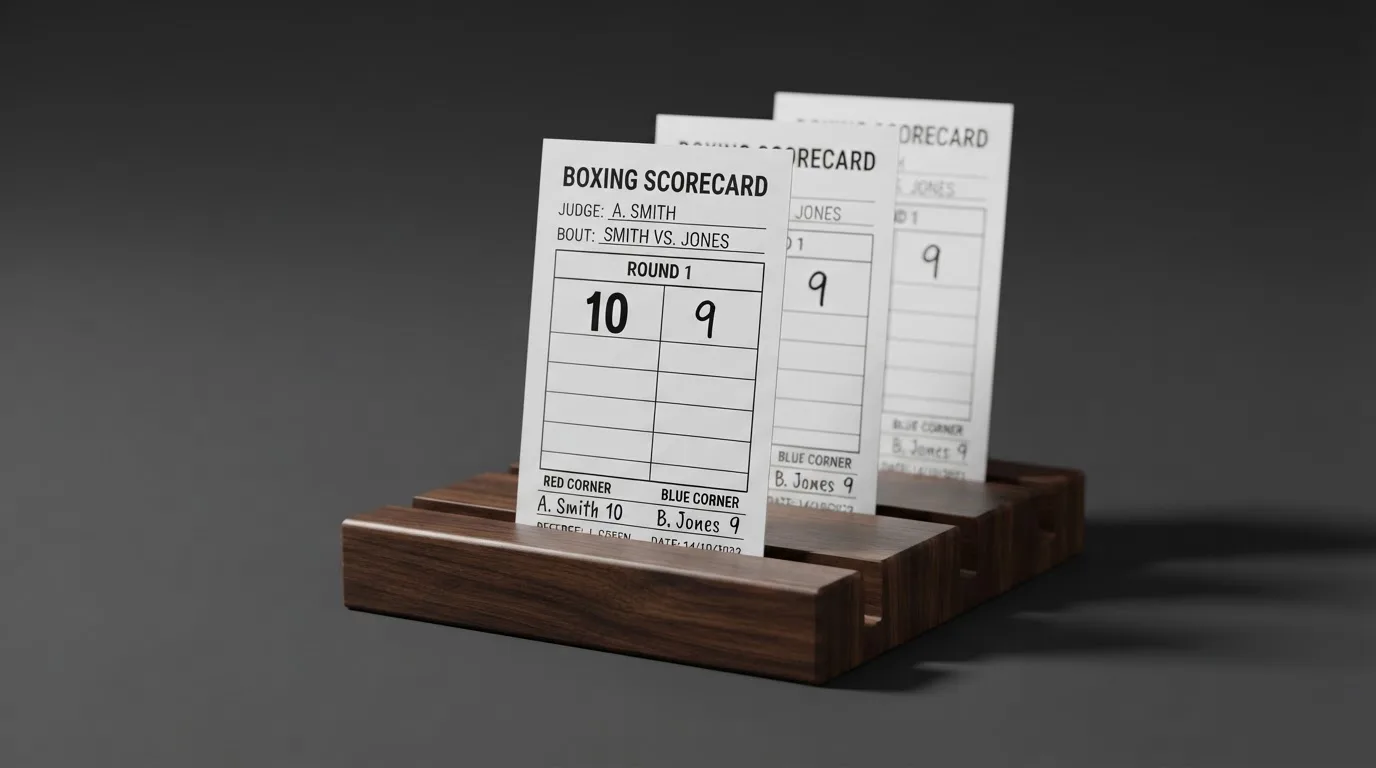
Championship fights and non-title main events are scheduled for a maximum of five rounds; every other bout on the card is three rounds. A round is five minutes long with a one-minute rest between rounds, and the round timer on a UK bookmaker’s app matches the broadcast. The ten-point must system applies: three judges score each round, the winner takes ten points and the loser takes nine or fewer. A 10-8 round is the marker for a dominant round, and a 10-10 round is rare but possible. A draw is a possible result, and a championship that ends in a draw sees the defending champion retain the title — a rule that the British punter is more likely to meet in the proposition markets than in the outright.
The cards the bookmakers price in the UK are the numbered pay-per-view events, the Fight Night cards, the Contender Series bouts and the early prelims. A Fight Night card on a Saturday runs two or three hours with a main event in the early hours of Sunday UK time, and a pay-per-view card runs four to five hours with the main event finishing in the small hours. The British punter’s fight night starts on a Saturday afternoon, runs through the afternoon, and ends past midnight.
UFC 334 is scheduled for 14 November 2026 at Madison Square Garden in New York City, headlined by Gane against Hokit. UFC 335 is scheduled for 12 December 2026 at T-Mobile Arena in Las Vegas, headlined by Oliveira against Lopes. Both cards are live on a licensed UK bookmaker’s app the moment the undercard begins, and both will carry the full menu of outright, method, round and proposition markets on the main event and a smaller set on the co-main. The undercard typically has outrights and the occasional over/under round, but no method market until the card is a day or two out.
The card-by-card structure is the same week in, week out. The British punter who is following the UFC through the year watches the rankings move and the champion’s next title defence get booked. The British punter who is following the sport through a betting account watches the line on each fighter shorten as the card approaches, with the most significant shortening on the favourite in the 24 hours before the weigh-in and a small lengthening after a weigh-in surprise. The price on the underdog tends to drift the same week, and the drift is the bookmaker’s view that the public money is on the favourite. A punter who disagrees with the drift has a price the public does not.
The promotion has partnerships in place. Some of the names in this market’s top ten are tied to the UFC through sponsorship arrangements that sit outside the betting market — naming rights for an arena, a presence in the broadcast, a fighter ambassador. None of those partnerships is a price guarantee, and the price the bookmaker publishes on a card is set by its own trading desk. The partnership is a marketing fact, not a pricing fact.
The British punter reading the card will see two sets of prices. The first is the moneyline — the price on each fighter to win. The second is the menu of markets on the main event, which expands as the card approaches. A card booked two months out is a moneyline and a tournament winner market. A card booked two weeks out adds the method and round markets. A card booked two days out adds the proposition markets and the in-play infrastructure. The market opens by stages, and the early stages are the cheapest in margin.
The top ten UK-licensed bookmakers for UFC betting
The ten brands below are the operators with a remote general betting standard (real events) licence on the Gambling Commission’s public register. They are listed in the order the editorial process has set, not by a market share figure the Commission’s register does not publish. The licence line is the most important fact on the page, and the offer line is a description of what the operator’s own terms state. Where a market is light, the page says so; where a brand is over-represented in a fight-night feature, the page says so too.
Bet600 — the racing-led app with a UFC undercard
Bet600 sits in the racing-led corner of the UK app market. Its main menu is horse racing, its live product is horse racing, and its Best Odds Guaranteed promotion is horse racing — if the starting price on a UK or Irish race is bigger than the early or show price taken, the bet is paid at the SP. UFC is on the card, with a moneyline and the standard method of victory on main events, but the depth of the menu is shallower than the bigger all-sport brands.
The bookmaker is operated under a Gambling Commission remote licence held by Tyche Tech Limited, and the licence number is on the Commission’s public register. The account-verification flow is the standard UK one: name, address and date of birth confirmed before the first deposit, and a debit card the only realistic way to fund an account. A financial vulnerability check is part of the standard flow at higher spend, in line with the Licensing Conditions and Codes of Practice.
The right reader for Bet600 is a racing-led punter who follows the UFC as a Saturday-night add-on rather than as the main sport. The wrong reader is a UFC-only punter looking for the deepest in-play menu — the racing focus of the app does not have the time on it. The brand’s bet builder does not, on the available information, support a UFC same-fight multi at the depth a combat-sports app would. Where a UFC proposition market is offered, the menu is plain enough to read in two taps.
BoyleSports — the Irish-led bookmaker with a UK welcome on UFC cards
BoyleSports’ UK sports welcome offer is £20 in free bets when a £10 bet is placed. The structure is two free bets of £10 each, settled in the form of a free bet whose stake is not returned on a win. The Irish welcome, for the same bookmaker, is €30 in free bets for a €10 bet — a different offer on the same bookmaker for the Irish market. The UK offer is the one to read on a UK account.
BoyleSports Enterprise operates under a Gambling Commission remote licence. This authorisation appears on the Commission’s public register, and the UK site is the same brand as the long-established Irish high-street bookmaker. The card menu is broad — football, horse racing, GAA, UFC — and the UFC menu is a moneyline, a method of victory, and the round groupings on the main events, while the in-play interface is intuitive. The app’s live section is the section to land on during the prelims.
The right reader for BoyleSports is a punter who is shopping around for a UK welcome offer on a UFC card and is happy to settle for a free-bet refund rather than a cash bonus. The free bet is the trade the bookmaker is willing to make, and the bettor who treats the £20 as a stake on a card already of interest is the one who clears the offer. A punter who needs a deeper in-play menu on a UFC main event will be happier elsewhere.
Matchbook — the betting exchange with a different way to price a UFC fight
Matchbook is a betting exchange. Customers bet against other users, not against the bookmaker, and the platform’s cut is a commission on net winnings rather than a margin baked into every price. The result is a UFC market that is closer to true probability than the fixed-odds bookmakers, and a margin that sits on the platform’s commission rather than on the price.
Triplebet Limited holds a Gambling Commission remote betting intermediary licence for this platform; the details are viewable on the Commission’s public register. The product has a Bet Builder, multiples, in-play betting and live streaming of horse racing and greyhounds. The UFC market is on the platform with a moneyline, a method of victory and a set of proposition markets, and the depth is reasonable for a betting exchange.
The right reader for Matchbook is a UFC punter who has a strong read on the form and wants to back the dog or lay the favourite at a price the fixed-odds bookmakers are not offering. The wrong reader is a casual punter looking for a simple bet-and-watch experience — the exchange has a learning curve, and the lay bet is not a feature a casual bettor will use on a Saturday night. The bet builder, in the exchange’s own product, is the same-fight multi a punter would build on a fixed-odds app, with the price the other side of the market is willing to offer.
Betboro — the smaller all-sport brand with a matched free bet
Betboro’s UK sports welcome offer is a 100% matched free bet of up to £25 on the first qualifying wager. The terms are tight: a debit card deposit of at least £10, a first bet of £5 to £25 with at least three selections, and a minimum price of 3/5 (1.60) on each leg. A single-fight bet is not a qualifying bet under the offer’s own terms; a UFC bettor building the qualifying wager needs a minimum of three legs on the slip, which can be three different fights on the same card or three markets on one fight.
Webmedia Development N.V. conducts operations under a Gambling Commission remote licence, with details listed on the Commission’s public register. The card menu is broad, with a UFC section that covers the moneyline, method of victory and round groupings. For main events, the in-play menu is reasonable on a UFC card. The app is the same shell as the desktop site, and the in-play menu is reasonable on a UFC card.
The right reader for Betboro is a punt-to-clear-the-offer bettor who plans a £25 qualifying bet at the minimum price on a UFC card with three or more fights available on the day. The wrong reader is a punter who wants to bet a single fight on a Saturday night — the offer is for the multi, and the offer’s terms say so. The free bet that comes back is the same form of stake-not-returned free bet as the BoyleSports structure, and the bettor who reads the offer’s expiry before the next card is the one who keeps the value.
Tote — the pool-led bookmaker with a different pricing model
Tote sits in a different corner of the UK market. Its pricing on horse racing is the pool — the tote’s traditional product — and on a UFC card the bookmaker runs a fixed-odds book in the same way as the rest of the top ten. TDCO Limited holds a Gambling Commission remote licence for this platform, confirming its status on the Commission’s public register. The William Hill brand sits alongside the Tote on the operator’s wider portfolio, with its own Best Odds Guaranteed offer on UK and Irish horse racing from 8 AM on the day of the race, on both single and multiple bets; the offer excludes ante-post, tote and pari-mutuel bets, and the BOG does not apply to UFC.
The UFC menu on Tote is a moneyline and a method of victory on the main events, with the proposition markets thinner than the bigger all-sport brands. The app is a clean shell with a long history in British racing; the UFC product is a new add-on rather than a core market, and the depth of the menu reflects that ordering.
The right reader for Tote is a racing-led punter who uses the Tote for pool betting on a Saturday afternoon and wanders into the UFC section on a Saturday night. The wrong reader is a UFC-only punter looking for the same menu as the bigger all-sport brands. The bookmaker is licensed and the offer is the pool product; the UFC product is the secondary market on the platform.
Fitzwilliam Sports — the Dublin-based bookmaker with a capped membership
Fitzwilliam Sports describes itself as a Dublin bookmaker with a capped membership, and the welcome offer on the platform is a “High Stakes Welcome” subject to compliance criteria. SBKI Limited holds a Gambling Commission remote licence, with its entry verified on the Commission’s public register. The card menu is broad, with a UFC section that covers the moneyline, method of victory and round groupings on the main events.
The platform’s responsible gambling hooks are the standard UK set: instant deposits, fast withdrawals, timeouts, deposit limits, and links to GambleAware, GamStop and Gamblers Anonymous. The deposit and withdrawal flow is a debit-card or instant-bank-transfer one, in line with the wider UK bookmaker market, and the credit card is not a payment option under the wider UK ban on credit cards for gambling.
The right reader for Fitzwilliam Sports is a higher-stakes punter who has been accepted on the platform’s “High Stakes Welcome” criteria and is using the platform as one of several. The wrong reader is a casual punter looking for a standard welcome offer — the high-stakes framing of the welcome sets the platform apart, and a casual punter is not the target. The UFC menu is a reasonable menu; the welcome is a different kind of offer.
Bet Ahoy — the small UK bookmaker with a small UK welcome
Bet Ahoy’s UK sports welcome offer is “Bet £10 & Get £10 in Free Bets”, made up of a £5 sports bet and a £5 acca. The structure is two free bets of different sizes, with the second one tied to an accumulator. The acca leg has its own minimum price, and the offer’s terms are the kind of terms a small UK bookmaker’s terms usually are: a debit card deposit, a £10 qualifying bet, an expiry measured in days, and a list of excluded markets that the bettor reads on the offer page.
Bet Ahoy Ltd operates under a Gambling Commission remote licence, and its registration is confirmed on the Commission’s public register. The card menu is broad for a small UK bookmaker, with a UFC section that covers the moneyline and the standard method-of-victory market on the main events, although the live offering is thinner than the larger brands. The app is the same shell as the desktop site.
The right reader for Bet Ahoy is a UK punter shopping around for a small welcome offer and willing to bet the £10 qualifying wager on a UFC card. The wrong reader is a punter looking for the deepest UFC menu on the UK market — the brand is small and the menu reflects the size. The £5 sports free bet and the £5 acca free bet are two different products on the same offer, and the bettor who reads the difference is the one who keeps the value.
Unibet — the long-established European bookmaker with a deep UFC menu
Unibet’s UK sports welcome offer is “Get £40 in Free Bets when you bet £20”, with a deposit and sports bet of £20 or more at minimum odds of 2.0 (1/1), free bets expiring within seven days of issue, and the offer for new GB customers using a debit card or instant bank transfer. The structure is a matched free bet with a stake-not-returned refund, and the offer is the most generous in the top ten on a pure headline basis. The brand has been operating since 1999, with the UK site run by Platinum Gaming Limited in Gibraltar under a Gambling Commission remote licence. The licence is on the Commission’s public register, and the brand has been in the UK market long enough that the bettor reading the licence number is reading it as a confirmation rather than a discovery.
The UFC menu is the deepest of the top ten. The card-by-card line is the moneyline, the method of victory, the round groupings, the proposition markets, and a Bet Builder that covers the same-fight multi on the main events, with a dedicated tab for live updates. The price on the favourite drifts, the price on the underdog drifts, and the in-play menu carries a margin that is wider than the pre-fight margin. The price boost menu is the section to land on for the most generous prices on the card — boosted odds on a small stake, with the maximum stake set by the boost.
The right reader for Unibet is a UK punter who wants a deep UFC menu and is willing to bet £20 of their own money to clear the welcome. The wrong reader is a casual punt-to-clear-the-offer bettor who is not interested in the menu beyond the welcome — the brand is built for the menu, and a casual user is not the target. The free bet expiry is the cliff; the punter who reads the seven-day window before the card is the punter who keeps the offer.
Kalooki Sportsbook — the small UK bookmaker with a focus on combat sports
Kalooki Sportsbook is operated by Kalooki Sports Book Limited (company number 12938274), licensed by the Gambling Commission under account number 57730, and is a GAMSTOP member. The bookmaker is small, with a focused menu that puts combat sports at the centre of its offering. The UFC menu is the deepest part of the platform, and the in-play menu on a UFC main event is the section the platform is built around.
The welcome offer on the platform is a small one, in the same shape as the other small UK bookmakers in the top ten: a free bet on a £10 qualifying wager, with the standard debit-card and instant-bank-transfer deposit rules. The platform’s responsible gambling hooks are the standard UK set, and the licence is on the Commission’s public register. The brand is built for the combat-sports punter, and the menu reflects the focus.
The right reader for Kalooki Sportsbook is a UFC punter who wants a combat-sports-led app and is willing to bet a small amount to clear the welcome. The wrong reader is a punter who follows the major sports in roughly equal proportion and is looking for an all-sport app — the platform is built for combat sports, and the menu reflects the focus.
Copybet — the racing-led platform with a UFC tab and a copy-the-tipster product
Copybet’s distinctive feature is the copy-the-tipster product — the punter can copy a tipster’s bets in their own account, with the platform’s commission taken on net winnings. The platform offers Best Odds Guaranteed all day, every day on all UK and Irish racing, and pays first past the post on horse racing even if the winner is later disqualified. The bookmaker is operated under a Gambling Commission remote licence held by Copybet UK Limited, and the licence is on the Commission’s public register.
The UFC menu is a moneyline, a method of victory and a set of proposition markets on the main events, and the live section functions reasonably well for a racing-led platform. The copy-the-tipster product is the platform’s distinctive feature, and a tipster who is a UFC specialist is a tipster the platform supports.
The right reader for Copybet is a racing-led punter who follows the UFC as a Saturday-night add-on and is interested in the copy-the-tipster product. The wrong reader is a UFC-only punter looking for the deepest menu on the market — the brand is racing-led, and the menu reflects that ordering.
The UFC, the betting market and the bigger picture
The first Ultimate Fighting Championship event was held on 12 November 1993 in Denver, Colorado. The promotion has been running cards continuously since, with Dana White as president since 2001, and the organisation is now part of TKO Group Holdings. The sport itself has changed shape over those thirty years, with the men’s and women’s divisions each working through a long line of champions, and the betting market has changed with it. A market that priced its first cards on a handful of moneyline prices is now a market with a full menu of outright, method, round and proposition markets on every numbered event and most of the Fight Night cards.
The bookmakers in this market have changed too. The first generation of UK bookmakers priced the UFC as a niche sport with a small menu; the current generation prices it as one of the major sports, with a menu as deep as boxing, MMA’s older combat-sport sibling. The licensed UK bookmakers in the top ten are the operators that have invested in the menu and the live product, and the unlicensed brands that once held a chunk of the UFC market are now a smaller part of the picture. The licensed bookmaker’s menu is the menu the British punter is now reading on a Saturday night.
The British punter’s UFC experience in 2026 is a product built on a licensed bookmaker’s app, with a market the bookmaker has built on a margin the bookmaker has set, on a card the UFC has built on a sporting structure the UFC has run for over thirty years. The chain from the UFC’s first event in Denver to the price on a Saturday-night main event on a UK app runs through the sport’s history, the bookmaker’s licence, the trading desk’s view of the form, and the British punter’s read of both. The page above has walked through the chain in pieces: the offer, the app, the in-play market, the tip, the market, the card, the bookmaker, and the bigger picture. The next two sections cover the legal frame and the responsible-gambling frame — the two pieces a UK punter needs in place before any of the rest matters.
Legality and regulation: who is allowed to take a UFC bet in Great Britain
The Gambling Commission licenses the whole commercial betting market in Great Britain under the Gambling Act 2005. The Act covers England, Scotland and Wales; Northern Ireland is outside the Act and runs on its own older law, so a GB licence does not regulate Northern Ireland. Since the Gambling (Licensing and Advertising) Act 2014 took effect, an operator whose remote facilities are used in Great Britain needs a Commission licence wherever it is based. A Curaçao, Maltese or Gibraltar licence is not a substitute.
The Commission’s public register is the whole test of who holds a licence. The register can be searched by business name, trading name, domain or account number. The ten operators in the top ten each have a remote general betting standard (real events) licence on the register, and Matchbook also has a remote betting intermediary licence for its exchange product. None of them is “the only” licensed bookmaker; the register lists far more brands than any single page can feature. The Commission’s enforcement is aimed at the operator, not the customer — providing gambling facilities in Great Britain without the required licence is an offence under section 33 of the Gambling Act 2005, with a sentence on summary conviction of up to 51 weeks’ imprisonment, a fine up to level 5, or both (six months in Scotland). No offence aimed at a customer who merely bets on an unlicensed site was found in the law. The cost to the customer of using an unlicensed site is the loss of British protections: no GAMSTOP coverage, no Commission complaints route, no approved dispute-resolution body, and no British consumer redress if funds are withheld.
UFC betting is not a market with a statutory list. The Commission’s framework has no list of permitted sports or permitted markets, and the LCCP sets operator-level conditions rather than market-level rules. In-play betting is offered by GB bookmakers under the operator’s own licence conditions and customer-protection duties; it is not “unrestricted” as a legal conclusion, but it is the standard product on the licensed apps. Esports are treated like any other event for licensing purposes; virtual events are a separate licence category; bets on politics, TV shows and novelty markets are offered by GB bookmakers with no statutory prohibition in place.
The minimum age to bet in Great Britain is 18. Name, address and date of birth are verified before a customer can deposit or gamble, including with a free bet or bonus, since 7 May 2019. The licensed bookmakers in the top ten run the same verification flow. A punt-to-clear-the-offer bettor who is 18 and has a UK debit card in their own name is the kind of customer the verification flow is built around. A customer who shares sign-ups across a household is a customer the verification flow rejects.
The credit card is banned for gambling in Great Britain since 14 April 2020, including credit-card-funded payments through an e-wallet. The debit card and the instant bank transfer are the standard payment methods on a UK bookmaker’s app, and a payment through an e-wallet funded by a credit card is a payment that violates the ban. The licensed bookmakers in the top ten enforce the ban at the deposit step.
The bookmaker’s tax is General Betting Duty, set at 15% on gross profits for the current period, with a remote betting rate of 25% from 1 April 2027 within it; remote bets on UK horse racing, bets on self-service betting terminals in licensed premises, pool betting and in-person betting stay at 15%. Until 1 April 2027 the remote rate stays at 15%; whether the bookmaker passes duty on through odds is not established in the public data, and the bettor should not assume the duty is being paid on their behalf. The player pays no tax on betting winnings in Great Britain, with the general rule that a professional gambler should ask HMRC or an adviser for their own position.
The financial vulnerability check that took effect on 30 August 2024 applies to licensed remote betting when a customer’s deposits minus withdrawals exceed £150 in a rolling 30 days (since 28 February 2025). It is a public-record check — for example bankruptcy or county court judgments — and it is not an income check and not a credit reference check. The financial risk assessment, sometimes called an affordability check in the press, is announced in a staged plan with no start date. The deposit limit rules under RTS 12 took effect in two phases, with the first changes since 31 October 2025 and a second phase postponed to 30 September 2026; whether the second phase is live is not established, and the deposit limit the bettor sees on a licensed app is the limit the bettor has set.
The advertising rules sit alongside the licence rules. The CAP Code (non-broadcast) and the BCAP Code (broadcast) are enforced by the ASA, with section 16 of the CAP Code holding marketing to a standard of social responsibility and a rule that no one who is or seems to be under 25 may be featured gambling or play a significant role. That rule concerns who may appear in an advertisement, not who may bet, and the under-25 rule is the rule the licensed bookmakers in the top ten are bound by in their marketing. The promotion rules in force since 19 January 2026 cap wagering requirements on bonuses at 10x, and mixed-product promotions — an offer that requires gambling on two or more product types — are banned. The whistle-to-whistle ban on TV betting advertisements has been in force since 1 August 2019, with the ban running from five minutes before a live sporting event to five minutes after it, before the 9pm watershed; horse and greyhound racing are excluded. The Premier League clubs’ withdrawal of gambling sponsorship from the front of matchday shirts from 2026/27 is a voluntary arrangement, not law.
GAMSTOP is the national multi-operator online self-exclusion scheme and is a mandatory licence condition for online operators since 31 March 2020. The self-exclusion periods are six months, one year, five years, or five years with auto-renewal, and after the minimum period the exclusion stays in place for a further seven years unless the customer asks GAMSTOP to remove it. GAMSTOP covers online sites and apps; betting shops use a separate service. The ten operators in the top ten are GAMSTOP participants, and the customer who has self-excluded through GAMSTOP cannot open an account on any of them.
Financial spread betting is regulated by the Financial Conduct Authority, not the Gambling Commission. Spreadex, the spread-betting brand, is the example on this page: the brand is regulated by the FCA for spread betting and by the Gambling Commission for fixed-odds betting, and its own terms state that spread betting losses can exceed the deposit. The licensed bookmakers in the top ten are the operators with a Commission licence; the spread-betting brand sits outside the comparison and is named here only as a clarification of the split in the regulatory framework.
The honest framing is the one the licence frame itself uses: licensed means checks, limits, GAMSTOP coverage, the 10x bonus cap, and the verification at sign-up; unlicensed means none of those protections and the possibility of funds being withheld without a British complaints route. The licensed bookmaker is the operator with the protections in place; the unlicensed bookmaker is the operator without them. Neither is “the safe choice” by default, and the bettor’s choice is between the two frames.
Responsible gambling: the help that sits behind a UFC bet
The British punter who is following the UFC through a season, through the cards, through the main events, is the punter who has a routine. A routine is a useful thing — it puts the bet on a card the punter has read the form on, it limits the bet to an amount the punter can afford, and it makes the bet a small part of the punter’s week. The bookmaker’s responsible-gambling hooks are the bookmaker’s offer to help a punter who is losing that routine.
Deposit limits are the cheapest tool. The licensed bookmakers in the top ten offer a deposit limit on a fixed time frame under RTS 12, and the limit the punter sets is the limit the punter cannot exceed. The first changes to the rules took effect on 31 October 2025, and a second phase is announced for 30 September 2026. The punter who sets a daily or weekly limit on the app is the punter who has put a ceiling on what a UFC card can cost, and the ceiling is the cheapest insurance available.
Timeouts are the second tool. A timeout on a licensed UK bookmaker is a short self-exclusion of 24 hours, 48 hours, 7 days, or 30 days, and the punter who has set a timeout cannot place a bet, deposit, or withdraw during the timeout. A timeout is the right tool for a punter who has had a bad card and wants to step away for a week, and the punter who has set a timeout is the punter who has not bet through the bad card.
GAMSTOP is the third tool, and the largest. A self-exclusion of six months, one year, five years, or five years with auto-renewal is a serious step, and the punter who has taken it has taken themselves out of the licensed UK market for the period chosen. After the minimum period the exclusion stays in place for a further seven years unless the punter asks GAMSTOP to remove it. The punter who has self-excluded through GAMSTOP cannot open an account on any of the ten operators in the top ten, and the punter who has self-excluded on a single operator is still a customer of the other nine.
GambleAware is the British responsible-gambling charity that funds the National Gambling Helpline on 0808 8020 133. GamCare runs the helpline and a chat service. The NHS runs gambling clinics across England. Gamblers Anonymous runs local meetings. The licensed bookmakers in the top ten link to these services on the safer-gambling section of the app, and the punter who has opened the section has read the help that is on offer.
The financial vulnerability check is the operator’s own check on its own customers. A deposits-minus-withdrawals figure over £150 in a rolling 30 days triggers a public-record check on the customer, with the result feeding back into the operator’s view of the customer’s account. The check is not an income check and not a credit reference check; it is a check the operator runs under the LCCP. The punter who has been asked for information under the check is the punter who has reached a spend level the operator is required to look at, and the punter’s response is the punter’s own choice.
The honest frame on responsible gambling is the one the licensed UK bookmakers publish: the tools are there, the help is there, and the punter’s choice is to use them or not. The page above does not urge a punter to use the tools; the page above names the tools and the help, in the same paragraph as the offer and the licence, so the punter reading the page reads the help and the offer together.
Crypto and anonymity: the unlicensed corner of the UFC market
The licensed UK bookmakers in the top ten do not, on the public data, take cryptocurrency as a deposit method. The pages of the operators are silent on Bitcoin and other crypto deposits, and the standard UK payment set is the debit card, the instant bank transfer, and the e-wallet where the e-wallet is funded from a debit card or bank account. A British punter who wants to bet on the UFC with Bitcoin is a punter who is on an unlicensed bookmaker, and the unlicensed bookmaker sits outside the British protections the licensed bookmaker has in place.
The unlicensed bookmaker’s pitch is the anonymity of the crypto deposit. A Bitcoin deposit does not carry the name of the bettor on the blockchain, and the unlicensed bookmaker can build a product around that fact. The licensed bookmaker’s pitch is the opposite: name, address and date of birth verified before the first deposit, a debit card or instant bank transfer, and a record of every transaction on a British-licensed platform. The two pitches are not the same product, and the two prices are not the same price. The licensed bookmaker’s price is built on a margin the licensed bookmaker publishes; the unlicensed bookmaker’s price is built on a margin the unlicensed bookmaker publishes, and the unlicensed bookmaker’s protection for the bettor is the unlicensed bookmaker’s word.
The honest framing of the choice is the framing the British regulator uses. The unlicensed bookmaker does not have a Gambling Commission licence, does not have GAMSTOP coverage, does not have the Commission’s complaints route, and does not have a British consumer redress route if funds are withheld. The unlicensed bookmaker may be licensed in Curaçao, in Malta, in Gibraltar, or in another jurisdiction with its own rules; the licence is not a British licence, and the protection is not British protection. The bettor who bets on an unlicensed bookmaker is a bettor who has chosen the anonymity of the crypto deposit over the protections of the British licence. The choice is the bettor’s.
The licensed bookmaker’s response to the crypto question is the British regulation. The credit card is banned for gambling in Great Britain; the debit card and the instant bank transfer are the standard payments. A British named-account rule, a state list of permitted payment methods, and any rule for or against cryptocurrency deposits at licensed operators are not established in the public data — the licensed bookmakers are not taking crypto, and the regulator has not ruled on whether they should. The page above does not recommend an unlicensed bookmaker; the page above does not recommend a licensed bookmaker; the page above names the difference and lets the bettor choose.
The punter who has chosen a licensed bookmaker is the punter who has chosen the British frame. The punter who has chosen an unlicensed bookmaker is the punter who has chosen the offshore frame. The two are not the same product, and the two are not the same price, and the audit on this page names the difference without urging either choice.
The card menu: who prices what, and the operator’s own terms
| Brand | Gambling Commission remote licence number and licence holder | What the operator’s own terms state on UFC |
|---|---|---|
| Bet600 | 044731-R-323941-016, Tyche Tech Limited | UFC card present with moneyline and standard method of victory; menu shallower than the all-sport brands; in-play limited |
| BoyleSports | 039469-R-319383-025, BoyleSports Enterprise | UFC menu covers moneyline, method of victory and round groupings; UK welcome offer is £20 in free bets on a £10 qualifying bet |
| Matchbook | 039504-R-319407-024, Triplebet Limited | Betting exchange; UFC prices set by other users with platform commission; Bet Builder, multiples, in-play and live streaming of horse racing and greyhounds |
| Betboro | 044181-R-324363-007, Webmedia Development N.V. | UFC menu covers moneyline, method of victory and round groupings; UK welcome offer is a 100% matched free bet of up to £25 on a £5-£25 qualifying bet of three or more legs at 3/5 (1.60) or higher |
| Tote | 054779-R-331321-008, TDCO Limited | Pool-led bookmaker with fixed-odds UFC menu; main events carry moneyline and method of victory; BOG on UK and Irish racing from 8 AM does not apply to UFC |
| Fitzwilliam Sports | 048760-R-335434-009, SBKI Limited | UFC menu covers moneyline, method of victory and round groupings; High Stakes Welcome subject to compliance criteria; instant deposits, fast withdrawals, timeouts, deposit limits and links to GambleAware, GamStop and Gamblers Anonymous |
| Bet Ahoy | 100094-R-341742-003, Bet Ahoy Ltd | UFC menu covers moneyline and method of victory on the main events; in-play thinner than the bigger brands; UK welcome offer is Bet £10 & Get £10 in Free Bets, split into a £5 sports bet and a £5 acca |
| Unibet | 045322-R-324275-019, Platinum Gaming Limited | Deepest UFC menu in the top ten with moneyline, method of victory, round groupings, proposition markets and a Bet Builder; UK welcome offer is £40 in free bets on a £20 qualifying bet at minimum odds of 2.0 (1/1) with seven-day expiry |
| Kalooki Sportsbook | 057730-R-333396-005, Kalooki Sportsbook Limited | Combat-sports-led platform with the deepest UFC menu in its offering; GAMSTOP member; standard UK verification flow |
| Copybet | 053774-R-330743-010, Copybet UK Limited | Racing-led platform with a UFC tab; copy-the-tipster product; BOG all day every day on UK and Irish racing; first past the post on horse racing paid even if the winner is later disqualified |
The licence numbers in the table are the Gambling Commission account numbers, written to match the public register. The offer lines are the offer’s headline in the operator’s own terms, with the conditions condensed to a sentence. The market lines describe the menu the operator’s app shows on a UFC card, not a market share figure the Commission’s register does not publish.
The arithmetic behind a UFC price
The illustrative example on this page is a two-way UFC market at decimal odds 1.90 / 1.90 (fractional 9/10 on each side). The payout share of that market is 1 ÷ (1/1.90 + 1/1.90) = 1 ÷ 1.0526 = 0.95, or 95%. The bookmaker’s margin on that market is 1 − 0.95 = 0.05, or around 5%. A market at 1.80 / 2.00 (fractional 4/5 and evens) has a margin near 2.6%; a market at 1.70 / 2.20 (fractional 7/10 and 6/5) has a margin near 5.3%; a market at 1.50 / 2.50 (fractional 1/2 and 6/4) has a margin near 6.7%. The pattern is the one the British punter will see on every UFC card: the more lopsided the price, the larger the margin, and the larger the cost of every pound bet on the favourite. The band that runs across the top-ten apps is roughly 4-7% on a balanced fight, widening as the favourite shortens, and the bettor who reads the margin as a cost is the bettor who knows what the price is taking out of every bet.
A £10 bet at 1.90 returns £19.00 (stake £10 + profit £9.00) if the bet wins. A £10 bet at 2.50 returns £25.00 (stake £10 + profit £15.00) if the bet wins. A £10 accumulator at 2.00, 2.00, 2.00, 2.00 returns £160.00 (stake £10 + profit £150.00) if all four legs win. The stake is the same, the return scales with the price, and the price is the number the bookmaker has built on the margin. The bettor who reads the price as a probability and the margin as a cost is the bettor who knows what the bet is worth before the bet is on.
What to look for in a UFC betting account
The bookmaker’s licence is the first number on the page. A Gambling Commission remote licence is the licence that holds the British protections in place; a Curaçao or Maltese licence is not a British licence. The Commission’s public register is the test of who holds one, and the punter who has checked the register is the punter who has not relied on a marketing line.
The offer’s headline is the second number. A free bet is not a cash bonus, a 100% match is not a £100 cash bonus, a “risk-free” bet is a free-bet refund on a loss, and a “best odds guaranteed” offer is a horse-racing offer, not a UFC offer. Reading the offer’s terms — the minimum price, the expiry, the qualifying wager, the deposit method — is the difference between an offer that clears and an offer that fails.
The app’s in-play menu is the third number. A deep in-play menu with a fast re-price is the menu that turns a knockdown into a bet. A shallow in-play menu with a slow re-price is the menu that turns a knockdown into a missed price. The bettor who knows the in-play menu’s depth before the card has not paid the in-play margin on a price the menu did not actually offer.
The card menu is the fourth number. A UFC card with a moneyline, a method of victory, a round grouping and a proposition market is the card menu a serious UFC punter wants; a card with a moneyline and a method of victory is the card menu a casual UFC punter has. The proposition market is the market the bookmaker charges the highest margin on; the bettor who uses the proposition market sparingly is the bettor who has the lowest cost on the card.
The responsible-gambling hooks are the fifth number. A deposit limit, a timeout, a GAMSTOP self-exclusion, a link to the National Gambling Helpline — the hooks are there, the punter’s choice is to use them. The page above has named the hooks in the responsible-gambling section, and the punter reading the page reads the hooks in the same breath as the offer.
The Commission’s public register is at the Gambling Commission’s website, and a punter who has read the register on a licensed bookmaker has read the register that holds the British protections. The bookmakers in the top ten are on the register, and the punter who has read the register has read the names above.
Frequently asked questions
Where can UFC fights be bet on in Great Britain?
Every brand in the top ten on this page holds a Gambling Commission remote licence, and each one prices the UFC card with a moneyline, a method of victory and the round groupings on the main events. The deeper menus sit with Unibet and bet365-style aggregators, and the shallower menus sit with the racing-led bookmakers. The Commission’s public register is the test of who holds a licence, and the punter who has checked the register is the punter who has read the page above.
How do I check a bookmaker’s Gambling Commission licence?
The Commission’s public register is searchable by business name, trading name, domain and account number. The punter enters the name, sees the licence, and reads the categories. The ten operators in the top ten are on the register under the names above, and the licence numbers in the table on this page are the register’s account numbers. A licence under a different jurisdiction — Curaçao, Malta, Gibraltar — is not a British licence, and the punter who has checked the register has not been misled by a foreign licence.
How is the return on a UFC bet worked out from the stake and the odds?
Return = stake × odds. Profit = stake × (odds − 1). A £10 bet at 2.00 returns £20.00; a £10 bet at 5.00 returns £50.00. An accumulator multiplies the odds of the legs into one price, with the stake multiplied by the compounded price. The stake is returned on a win, and the profit is the return minus the stake. The bookmaker’s margin sits inside the odds.
What is the bookmaker’s margin and how is it seen in the UFC price?
The bookmaker’s margin is the cut the bookmaker keeps of every pound bet on a market. A two-way market at 1.90 / 1.90 has a payout share of 95% and a margin of 5%. A market at 1.80 / 2.00 has a margin near 2.6%; a market at 1.50 / 2.50 has a margin near 6.7%. The margin is the difference between the implied probability on the two sides of the market and the 100% the probabilities would sum to in a fair market, and the bettor reading the margin is reading the cost of every bet on the market.
What UFC cards are running in the next few weeks?
UFC 334 is scheduled for 14 November 2026 at Madison Square Garden in New York City, headlined by Gane against Hokit. UFC 335 is scheduled for 12 December 2026 at T-Mobile Arena in Las Vegas, headlined by Oliveira against Lopes. The licensed UK bookmakers price both cards as soon as the undercard is announced, with the menu expanding in the week before the card. The punter who follows the cards in the season’s calendar is the punter who knows which main event is on which weekend.
Combat & motorsport – Grey Hound
Content created by the «Grey Hound» team
